
Games people — and machines — play: Untangling strategic reasoning to advance AI
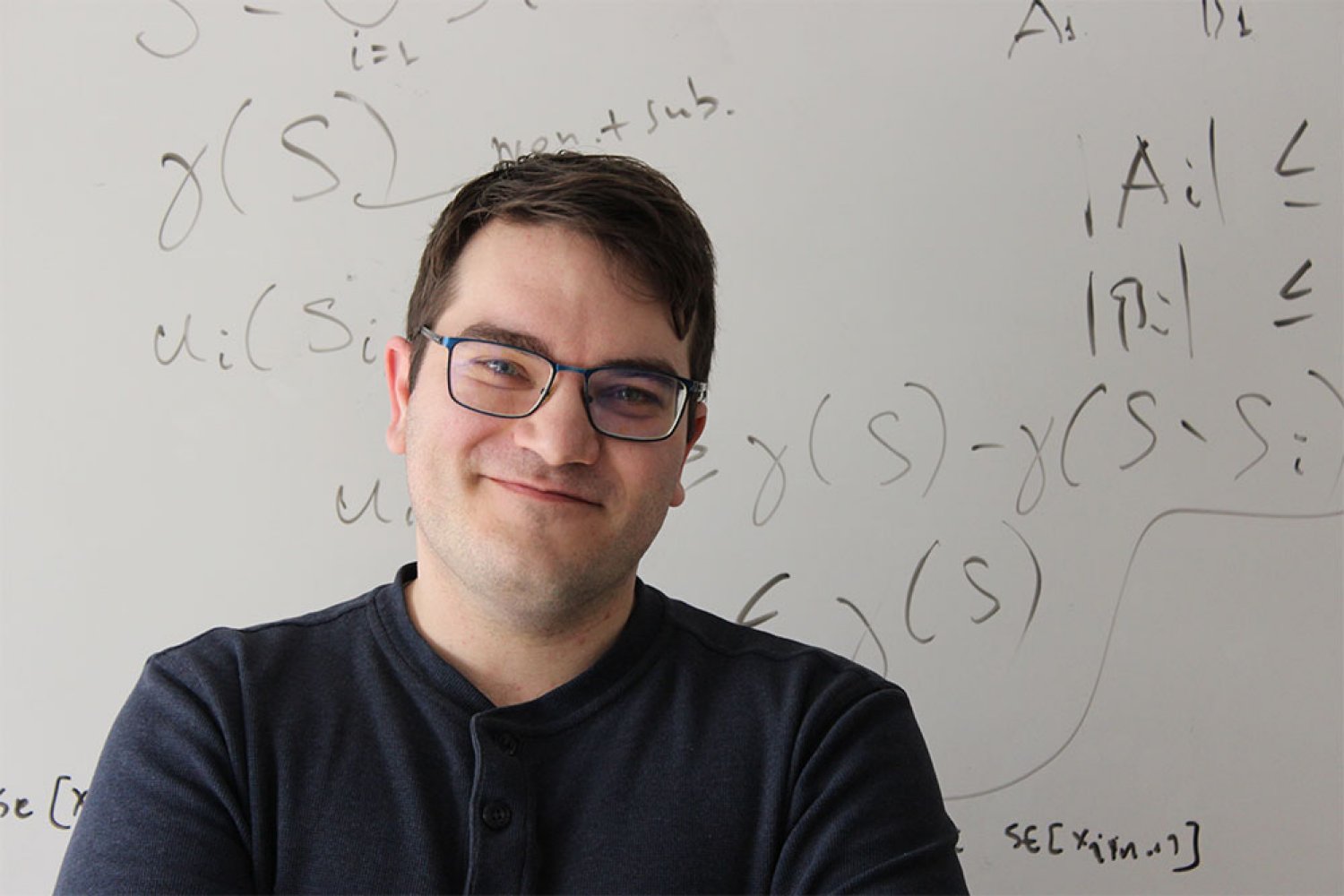
Gabriele Farina grew up in a small town in a hilly winemaking region of northern Italy. Neither of his parents had college degrees, and although both were convinced they “didn’t understand math,” Farina says, they bought him the technical books he wanted and didn’t discourage him from attending the science-oriented, rather than the classical, high school.
By around age 14, Farina had focused on an idea that would prove foundational to his career.
“I was fascinated very early by the idea that a machine could make predictions or decisions so much better than humans,” he says. “The fact that human-made mathematics and algorithms could create systems that, in some sense, outperform their creators, all while building on simple building blocks, has always been a major source of awe for me.”
At age 16, Farina wrote code to solve a board game he played with his 13-year-old sister.
“I used game...
Copyright of this story solely belongs to mit.edu. To see the full text click HERE