

'Future medicines may be designed much like software' — How scientists programmed human cells to compute…
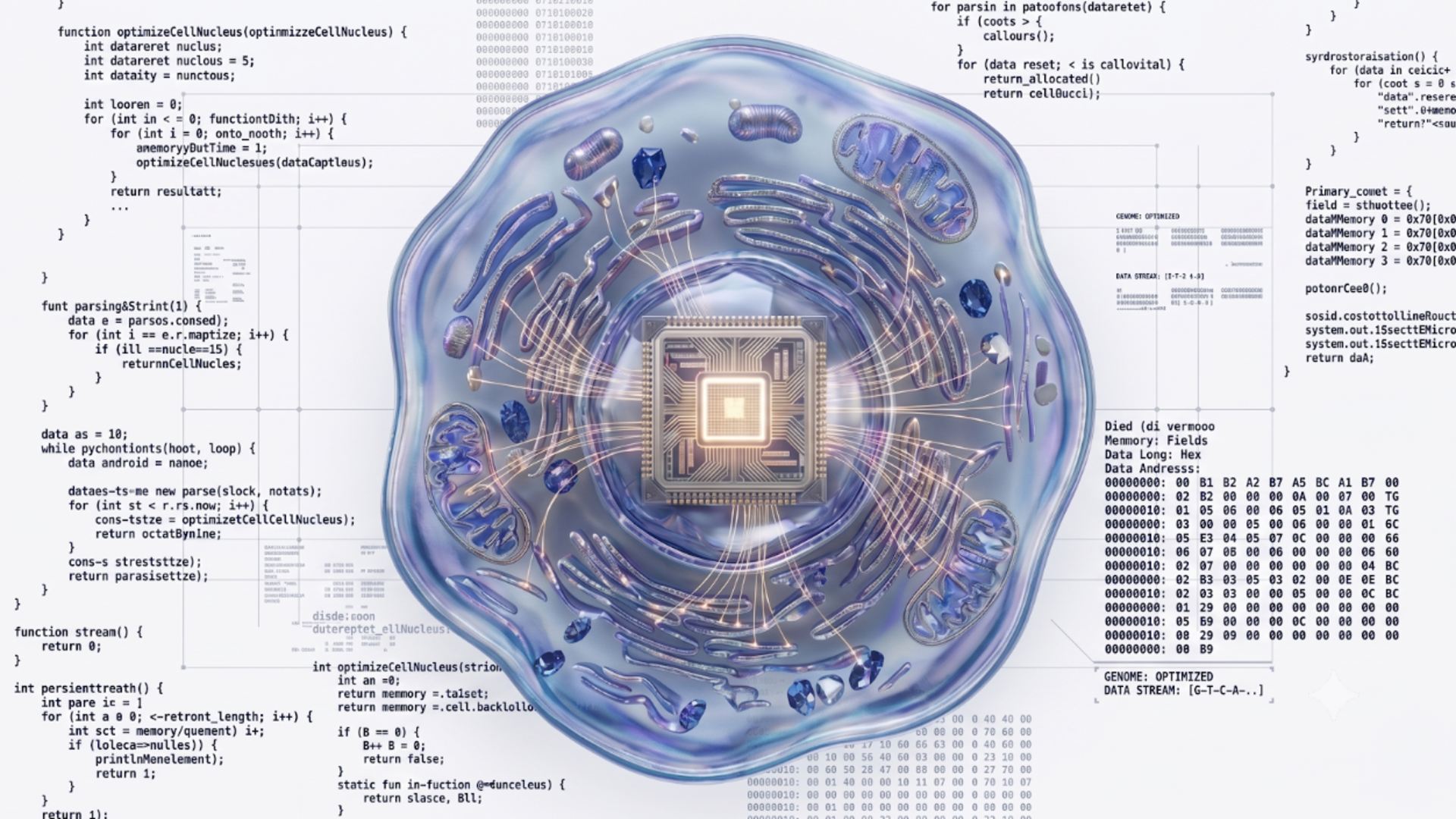
- Human cells processed multiple biological signals using fewer genetic instructions simultaneously
- RNA trans-splicing allowed cells to execute complex computational operations efficiently
- Researchers built living versions of computer adders and multiplexers successfully
Researchers at Hebrew University claim to have engineered human cells capable of processing multiple biological signals simultaneously, much like small computer chips.
PhD student Keren Roas and Dr. Lior Nissim built an artificial genetic system that allows cells to follow layered instructions without the usual loss of reliability.
Their findings, published in Nature Communications, describe a method that could eventually allow cells to diagnose disease and respond automatically inside the body.
A new approach to genetic computation
Traditional genetic circuits function somewhat like a tall building, where each additional instruction requires another layer of internal computation to operate correctly.
As these systems grow more complex, their performance and reliability tend to decline rather quickly under real conditions.
The...
Copyright of this story solely belongs to techradar.com. To see the full text click HERE