
EU-funded robot uses magnets to steer graphene implants into the brain
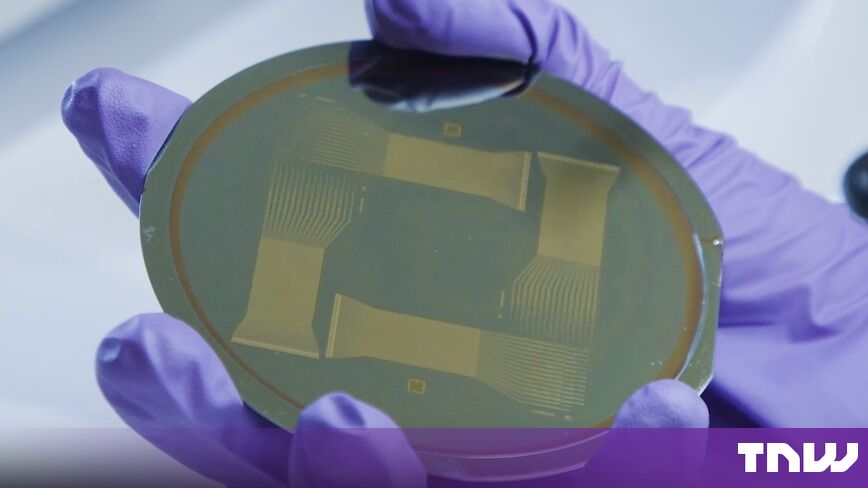
A European research group has built a robot that uses magnets to steer ultra-thin graphene electrodes into the brain. Barcelona’s INBRAIN Neuroelectronics, which leads the clinical work, announced the results on Wednesday, at the end of the EU-funded MINIGRAPH project.
The project’s first target is Parkinson’s disease. Doctors already treat it with deep brain stimulation, which uses implanted electrodes to deliver electrical pulses. The group wants implants that record brain activity, read the signals and respond with stimulation. The aim is therapy that runs on its own, tuned to each patient.
How the robot works
Nanoflex Robotics and ETH Zurich built the implantation system, which relies on remote magnetic navigation. A magnetic carrier delivers the thin probes, and the robot guides them under X-ray imaging. It can follow straight or curved paths to reach both the surface of the brain and deeper areas.
INBRAIN said the team tested the procedure...
Copyright of this story solely belongs to thenextweb.com. To see the full text click HERE