

Disproportionate Collapse: What Building Codes Know About Your Cascading Failures
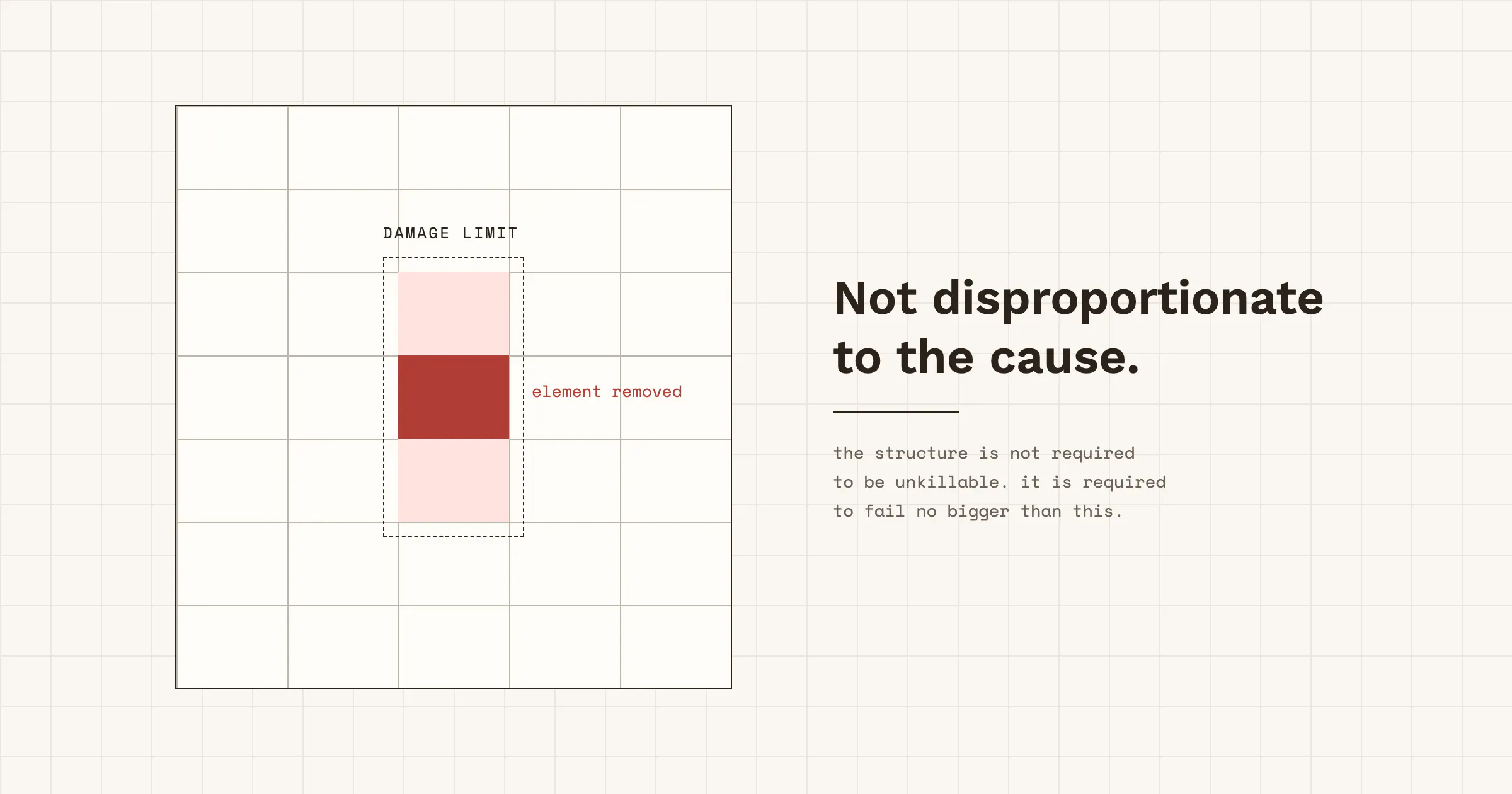
A 1968 tower collapse forced civil engineers to design for the failure of any single element. Distributed systems have the parts — circuit breakers, bulkheads, failovers — but not always the discipline.
This piece continues a habit I lean on: exploring other engineering disciplines to see what problems they solved before software hit the same wall. Last time I borrowed from urban planning in “What Urban Planning Knows About Your Software Boundaries”. This time - structural engineering, and the question of why a tiny failure can become a huge crash. We'll run what it gives us against an e-commerce service, an API gateway, and a frontend's asset path.
TL;DR: Cascading failures are progressive collapse. After the Ronan Point disaster in 1968, civil engineering introduced the rule "don't collapse out of proportion to the cause" as a mandatory building code, built on three named, escalating mechanisms: tie forces,...
Copyright of this story solely belongs to hackernoon.com. To see the full text click HERE