

Did Iron Age Britons remove brains of the dead?
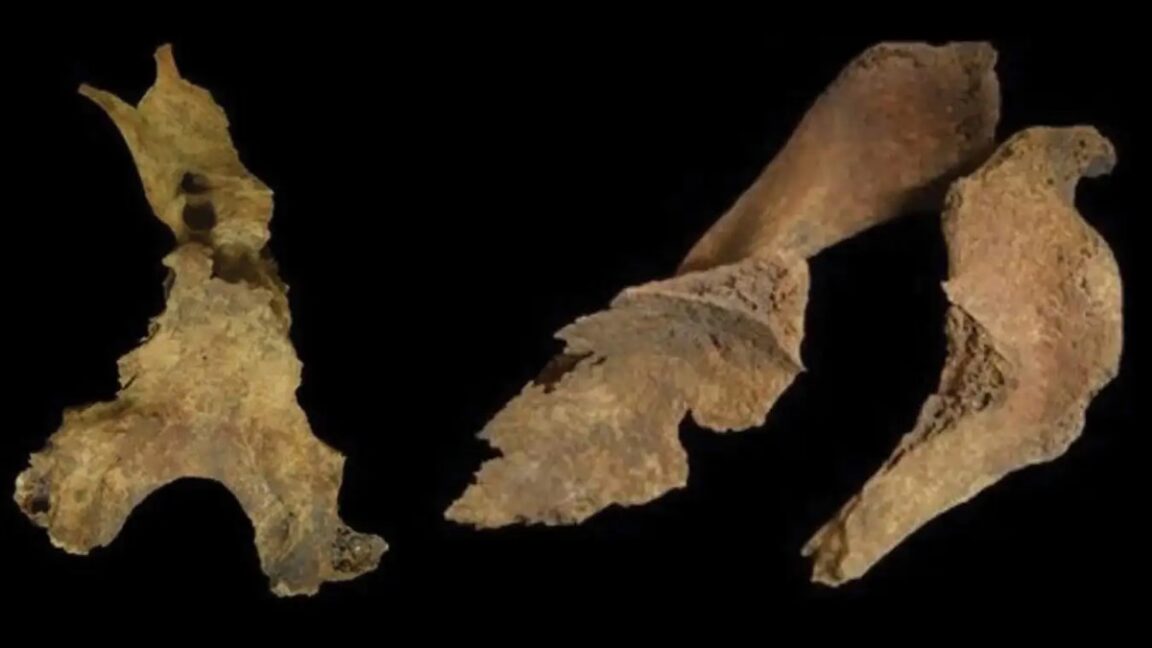
Furthermore, four of the woman’s long bones (both humeri, the left ulna, and the left femur) showed marks that had previously been identified as tooth marks, suggesting rodents had gnawed at the bones. The authors disagreed with that earlier assessment, concluding that the bone marks were more consistent with whittling using a sharp implement. Three of the four bones had been whittled to a sharp edge, while the fourth seemed to have been worn down through use as a tool after being whittled into a sharpened point. Yet all four bones were ultimately placed in the correct anatomical position once they were laid in the grave.
Other archaeologists remain unconvinced that the woman’s brain had been removed or that the long bones had been deliberately whittled down into tools. “The marks certainly suggest some manipulation of the cranium, but whether we can link them to the brain removal, I don’t...
Copyright of this story solely belongs to arstechnica.com. To see the full text click HERE