
Designing Data-Driven Intelligent Systems for Customer Lifecycle Optimization
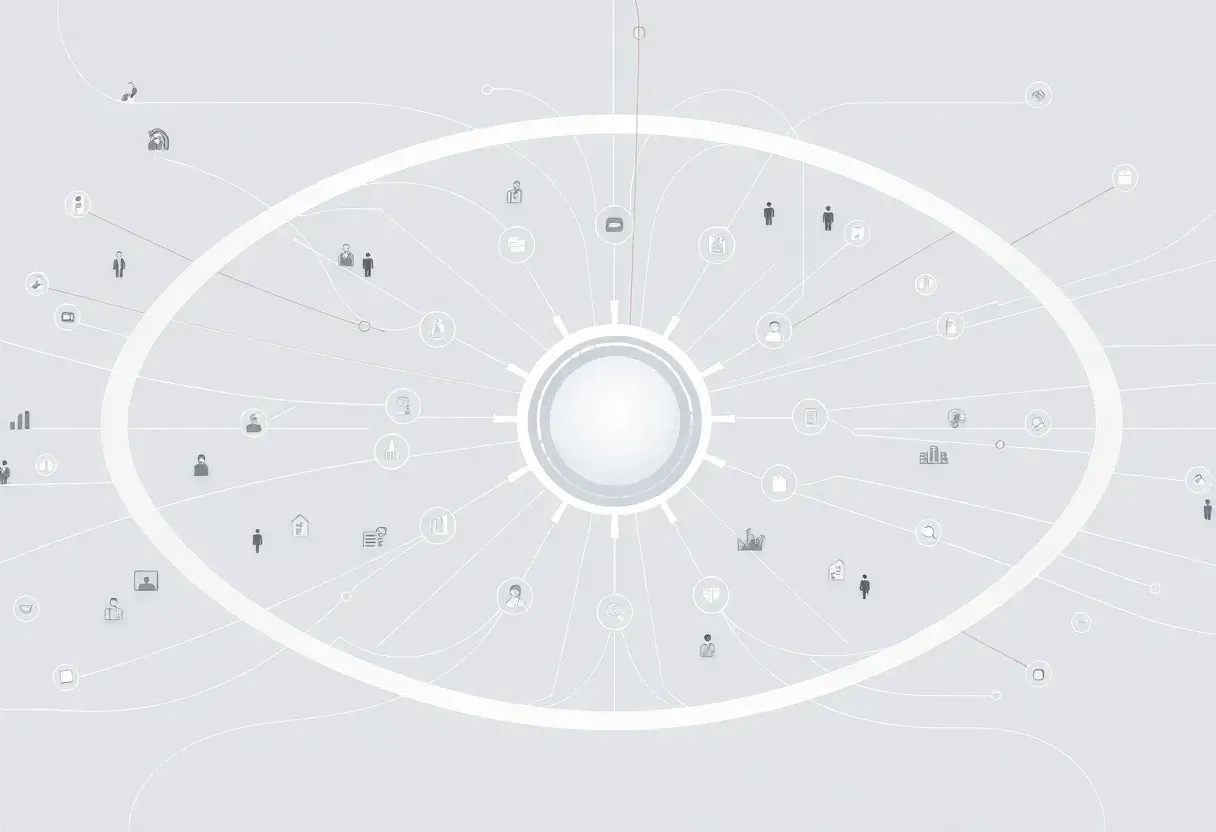
Customer lifecycle optimization has moved well beyond campaign scheduling or static segmentation. In modern digital products, acquisition, activation, engagement, retention, and expansion are influenced by a continuous stream of low-latency decisions made across marketing, commerce, support, and product surfaces. Customer lifetime value research has long treated acquisition, retention, and cross-selling as related resource-allocation problems, and recent personalization research shows why the engineering stakes are higher now: consumers increasingly expect individualized interactions, react negatively when those interactions are absent, and organizations that personalize effectively can materially improve revenue and marketing efficiency. The implication is straightforward: lifecycle optimization must be engineered as an intelligent system that converts behavioral data into economically grounded decisions rather than isolated campaign outputs.
Lifecycle intelligence over campaign automation
A robust lifecycle system models the customer as an evolving state, not as a mailing-list row. That state must capture recent activity, spending intensity, support friction, channel affinity, promotion...
Copyright of this story solely belongs to hackernoon.com. To see the full text click HERE