Designing a Low-Latency Speech-to-Text Pipeline for Dictation
On August 17, 2026, Wispr raised $280 million at a $2 billion valuation. Two days later, The New York Times Magazine ran a review of its dictation app under the headline "Everyone's Using This A.I. Dictation App That I Want to Murder With a Hammer."
Buried in the funding coverage was the more interesting detail: Wispr acknowledged error rates above 30% in hard conditions — noise, accents, music — and previewed a new model to bring that down. So the reviewer's frustration and the company's own diagnosis landed in the same week.
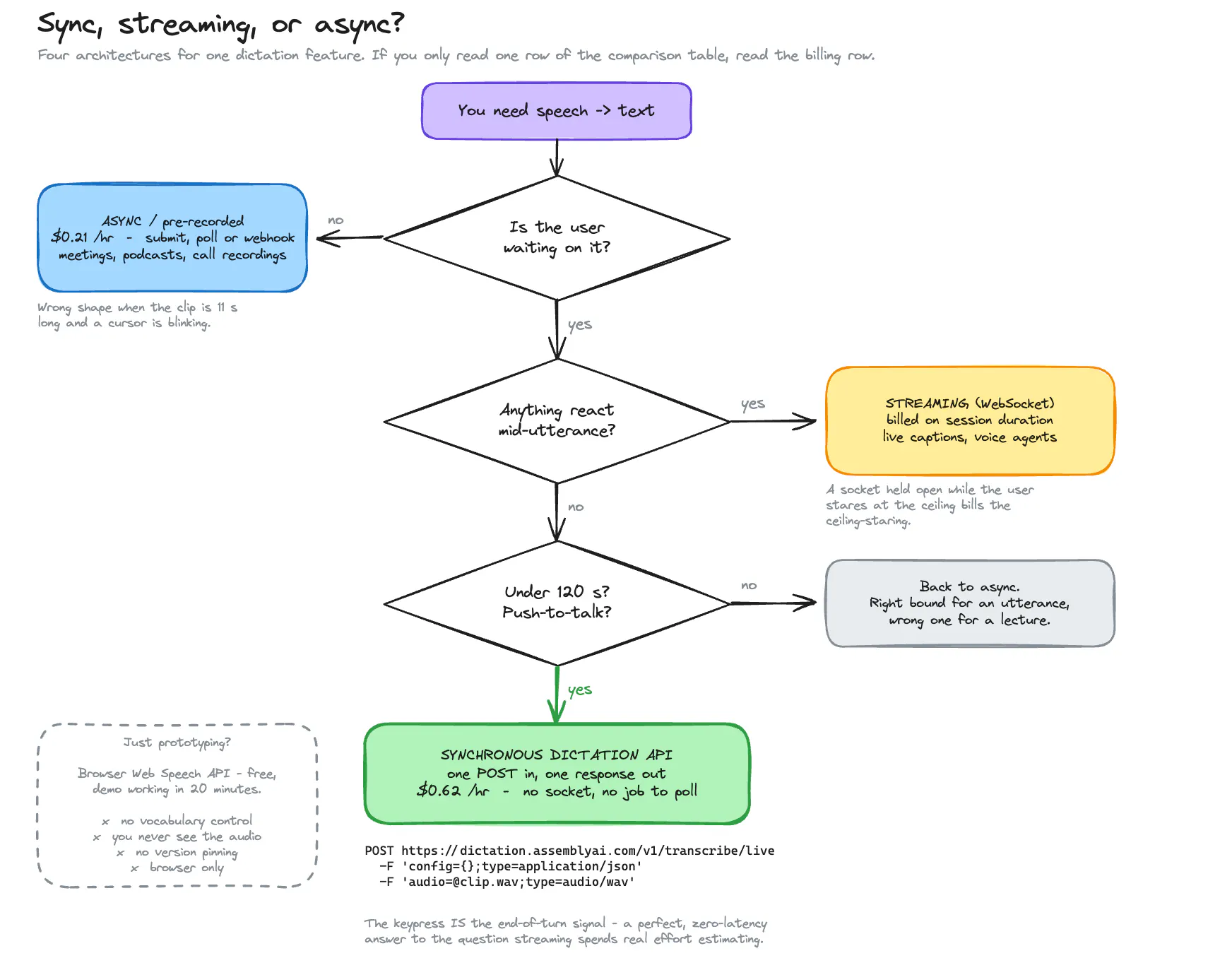
Here's the thing. Most of what users experience as "this dictation app is bad" traces back to an architecture decision someone made months earlier, before a single word was transcribed. Dictation looks like a solved problem right up until you build one, and then you discover that the obvious choices are mostly wrong.
This post is about that...
Copyright of this story solely belongs to hackernoon.com. To see the full text click HERE