Design of Experiments in the real world: Lessons from automotive and semiconductor industry
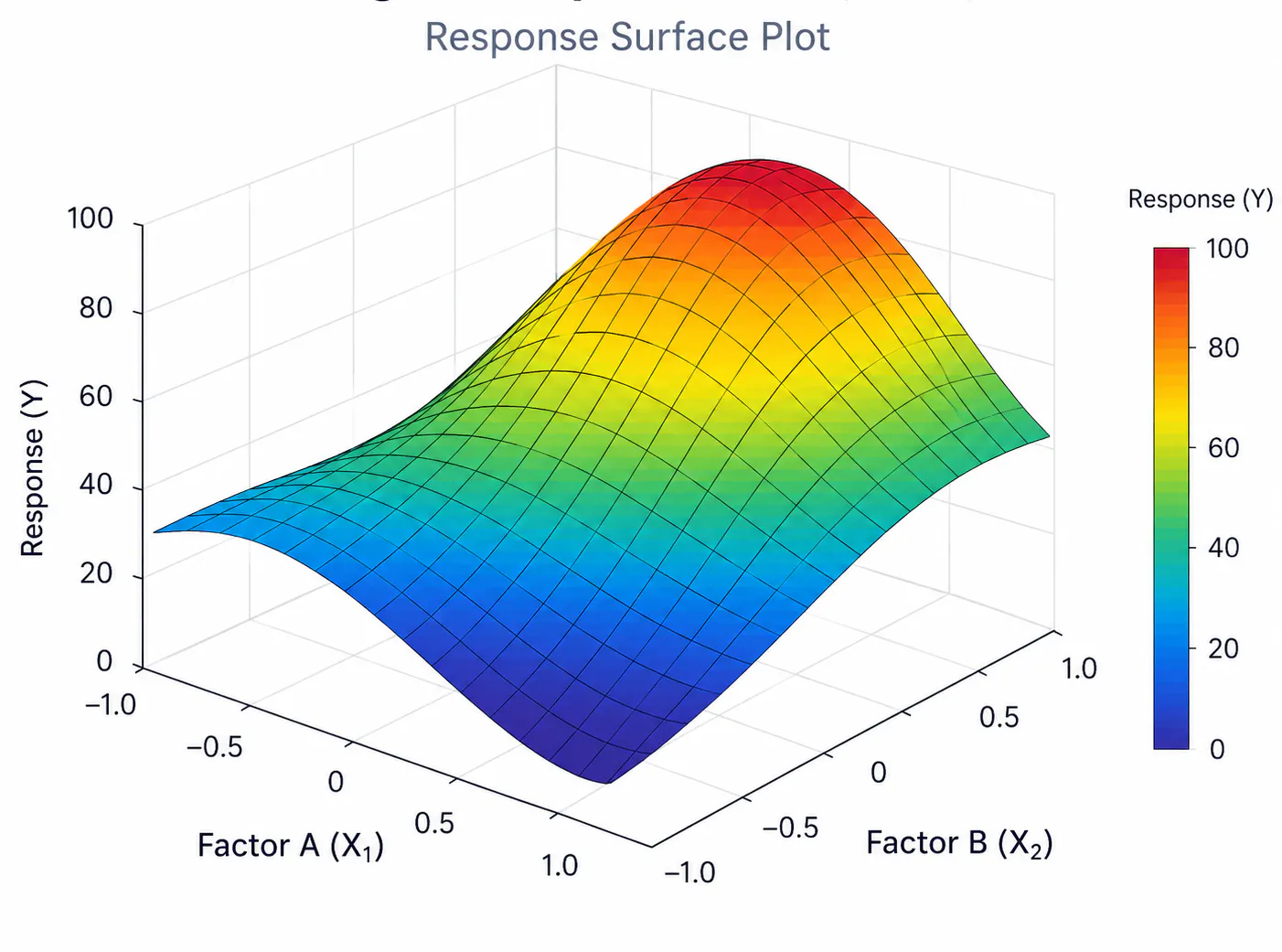
As product design engineers, we are constantly faced with the challenge of making decisions in the presence of uncertainty. Whether we're launching a new product, tackling reliability issues, improving product performance, or juggling competing design constraints, numerous variables can shape the final outcome. Relying on intuition, trial-and-error testing, or OFAT (one factor at a time) testing can be time-consuming, expensive, and may fail to reveal the true product behavior.
Design of Experiments (DOE) is one of the most powerful tools used in product development because it enables engineers to understand the relationship between design variables and product performance. Rather than changing one factor at a time, DOE allows multiple parameters to be evaluated simultaneously. It helps identify critical factors, interactions, and optimize variables with significantly fewer runs. This structured approach reduces development time, minimizes testing costs, and improves confidence in engineering decisions.
My experience as a product development engineer using...
Copyright of this story solely belongs to hackernoon.com. To see the full text click HERE