
Cambridge scientists create a $10 chip that could put a medical lab on your wrist
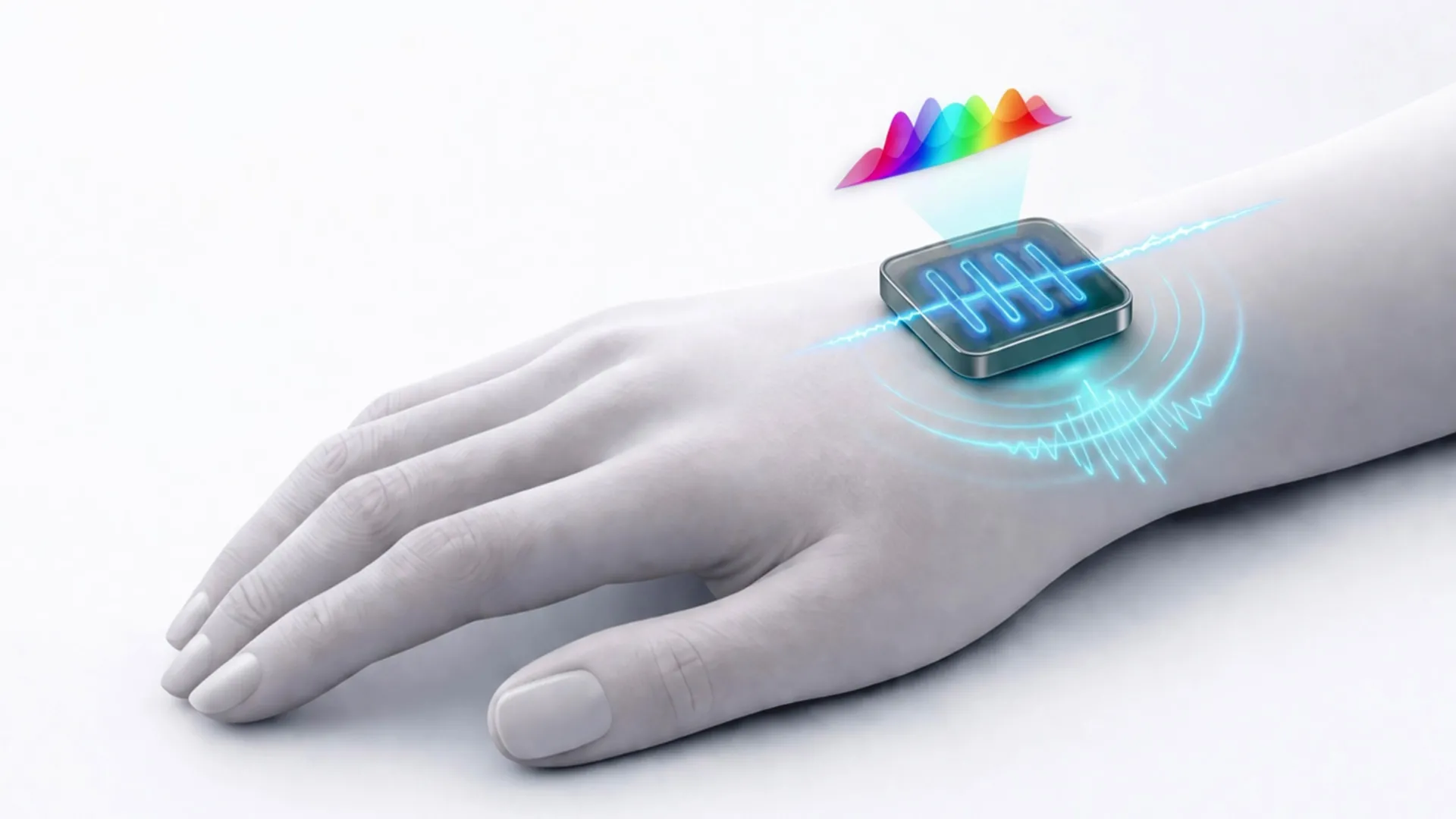
A new optical sensor costing just $10 could bring laboratory-level precision to wearable health monitors, potentially allowing people to track blood glucose without needles. The technology could also transform food testing, industrial quality control, and environmental monitoring.
Researchers at the University of Cambridge and GlitterinTech (a start-up founded by the same research group) have developed a new type of optical spectrometer that combines exceptional accuracy with a remarkably small size and low cost. Measuring just centimeters across, the device could be incorporated into portable electronics and wearable health technology. Its potential applications range from monitoring important health markers in real time to identifying materials and detecting changes in chemical composition.
Optical spectrometers work by analyzing light to reveal information about the substances it interacts with. They are essential tools in medicine, manufacturing, chemical testing, and environmental research. However, making these instruments smaller has traditionally meant compromising their performance. Compact spectrometers...
Copyright of this story solely belongs to www.sciencedaily.com. To see the full text click HERE