
Building India’s first homegrown ODM: Inside Rapidise’s $100-billion bet
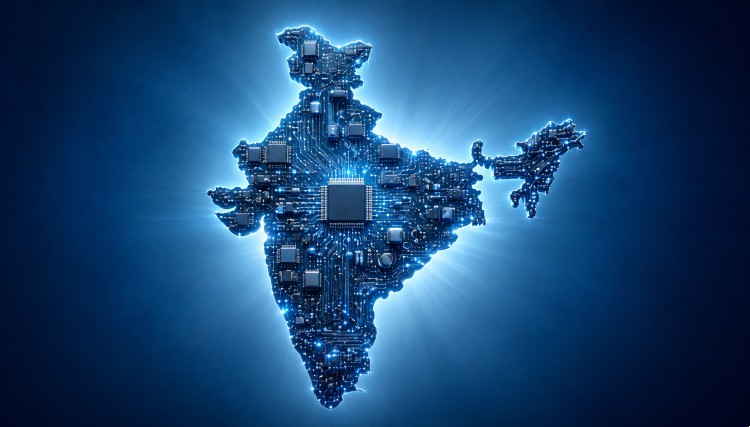
India buys an enormous amount of the electronics it uses. By Kamani’s own reckoning, the country ranks among the second- or third-largest importers of electronics globally — a striking position for an economy that is simultaneously pouring billions into semiconductor fabs, display plants, and component manufacturing under its PLI and design-linked incentive schemes. Chips are starting to get made here. Displays and camera modules are starting to get made here. But almost nothing exists yet to take those components and turn them into finished, exportable products at scale, under one roof, from concept to shipped unit.
That’s the gap Brijesh Kamani set out to close when he founded Rapidisea year and a half ago. “There’s a lot of product companies now emerging in India,” he says. “Previously there were a lot of service companies — TCS and other players. If you see other countries, the product companies closely work...
Copyright of this story solely belongs to expresscomputer.in. To see the full text click HERE