Beware — these new phishing attacks use a convincing fake Adobe Reader pages to trick victims into installing…
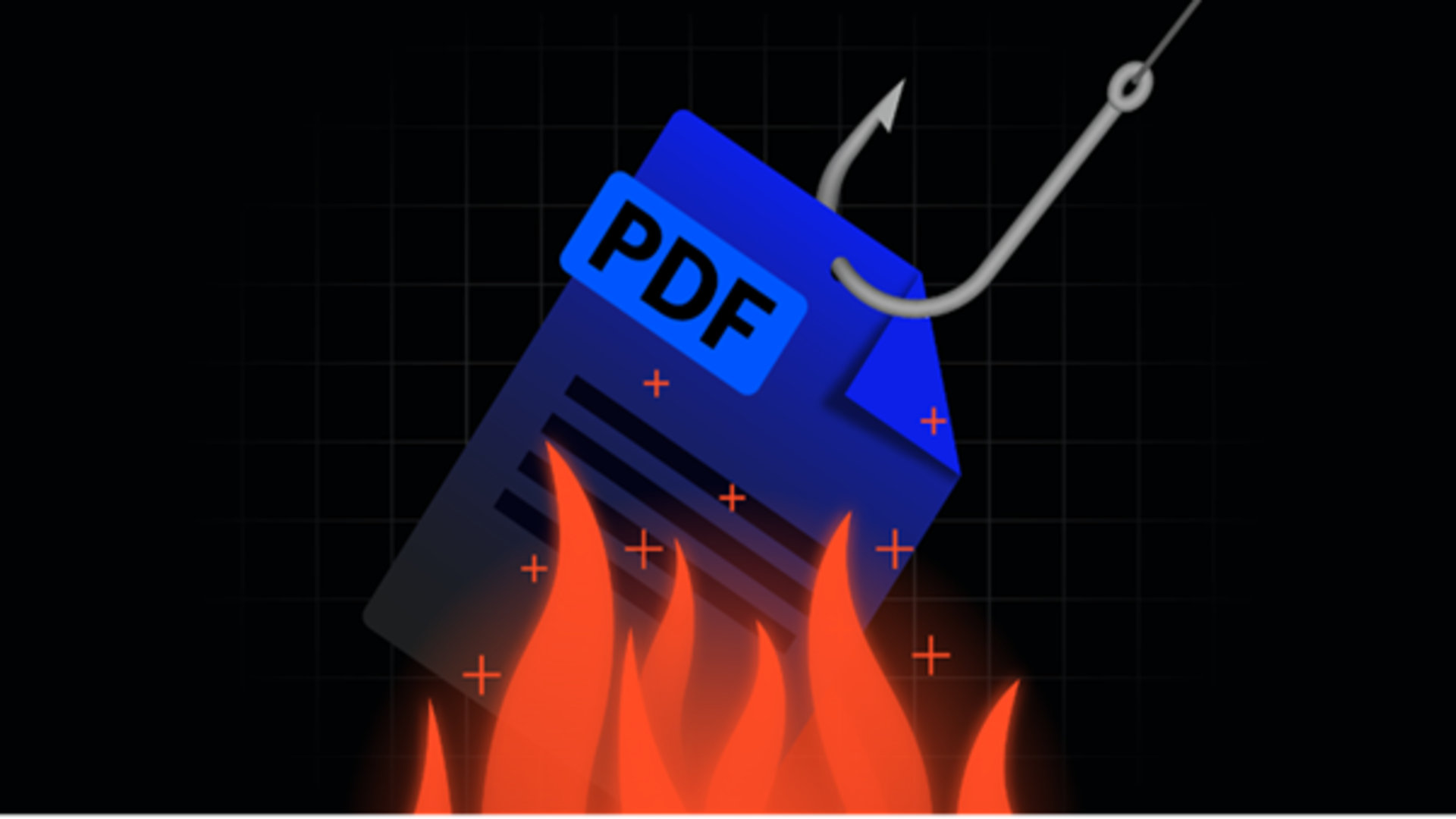
- Huntress warns of phishing campaign abusing Adobe branding with browser‑in‑the‑browser trick
- Victims lured into fake update pages, unknowingly installing rogue ScreenConnect clients
- Attackers gain persistent remote access; defenders urged to restrict RMM installs and monitor IoCs
Security researchers Huntress have warned of an ongoing phishing campaign that abuses Adobe’s brand while deploying clever browser-in-the-browser (BitB) techniques to trick the victims.
The goal is to deliver rogue ScreenConnect clients which would grant the attackers persistent access to target devices.
In its report, Huntress says it could not find the lure itself and thus could not report what the scam looks like. However, it saw the victims clicking on a link in the email and then being redirected to a typosquatted domain https[://]adoube[.]vu that spoofs an Adobe landing page.
We heard you like browsers…
This is where we get to the scam’s unique twist. Usually, phishing lures would simply redirect...
Copyright of this story solely belongs to www.techradar.com. To see the full text click HERE