

AI Is Turning Wearables From Fitness Trackers Into Behavioral Systems
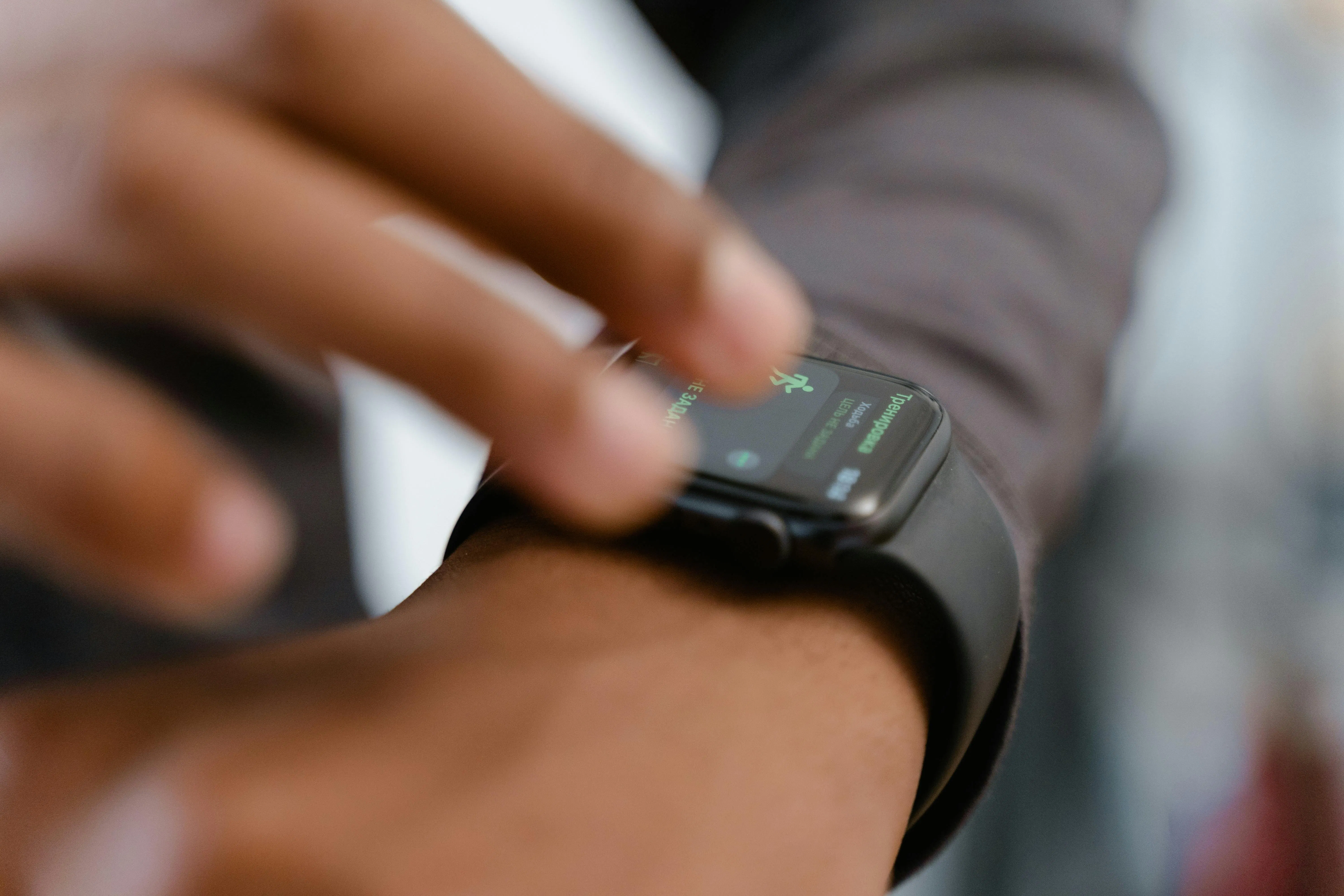
A decade ago, wearables were relatively simple devices. The main goal was to track more in order to learn more. The concept of the quantified self revolved around the collection of fundamental information about one’s body, including the number of steps taken, calories burnt, duration of sleep and heart rate. Early Fitbit models and other similar devices were purely passive and only displayed numbers but offered no interpretation or advice like today’s wearables with their specialized AI advisors do. The results and its interpretation fell entirely upon the user. It was clearly a data-first, human-second approach. That model is now gradually fading away.
The Shift to Real-Time Intervention
Today, wearables have moved far beyond passive tracking to real time updates. Users no longer wait until the end of the day to review their performance. Instead, devices constantly send updates and gentle prompts throughout the day like “Your recovery is low...
Copyright of this story solely belongs to hackernoon.com. To see the full text click HERE