

After nearly breaking, NASA's Deep Space Network "worked well" on Artemis II
Breathing room
“Some missions are using more than what their paperwork would say.”
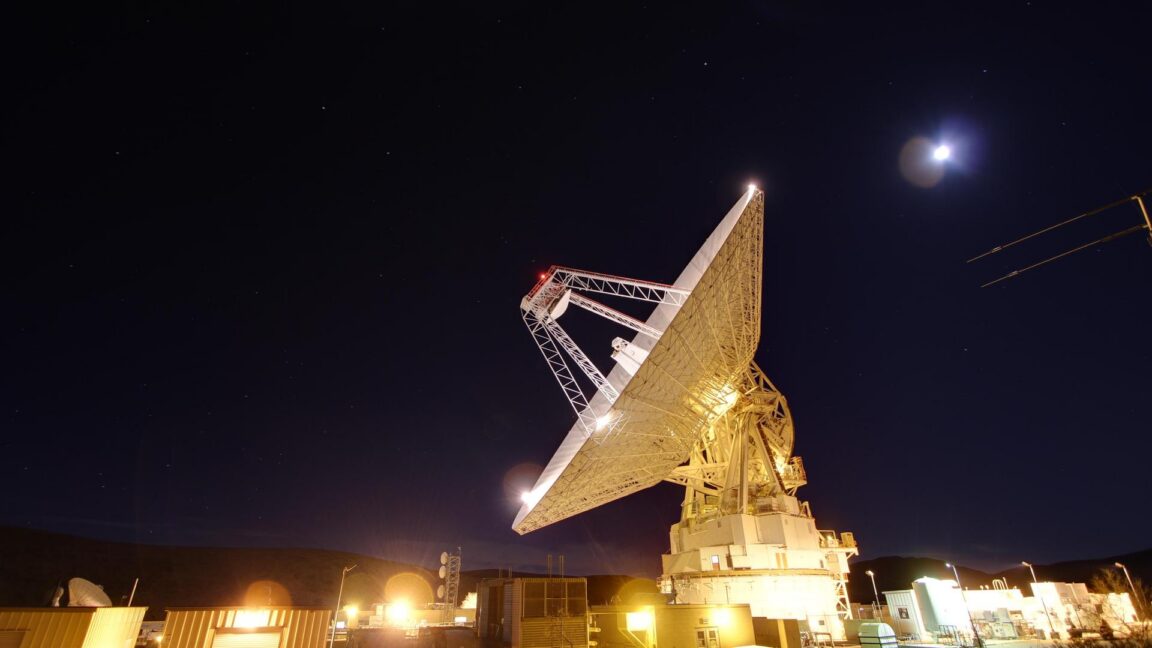
File photo of the 70-meter antenna at NASA's Goldstone Deep Space Communications Complex in California. Credit: NASA/JPL-Caltech
NASA pushed its Deep Space Network beyond its limits during the Artemis I mission nearly four years ago. The global array of deep space communications antennas couldn’t keep up with the routine demands of 40 robotic science missions and the extraordinary surge required by NASA’s Orion space capsule as it flew around the Moon.
The experience in late 2022reduced or delayed downlinks from several high-profile science missions, including the James Webb Space Telescope and Mars rovers, as the data-hungry Artemis I mission took priority on NASA’s communications network. And that was before the first Artemis mission with astronauts onboard. When Artemis II launched April 1, NASA called upon the Deep Space Network (DSN) again to connect Mission Control to...
Copyright of this story solely belongs to arstechnica.com. To see the full text click HERE