
A single AI model simulates the behavior of many substances, from sliding sand to folding proteins
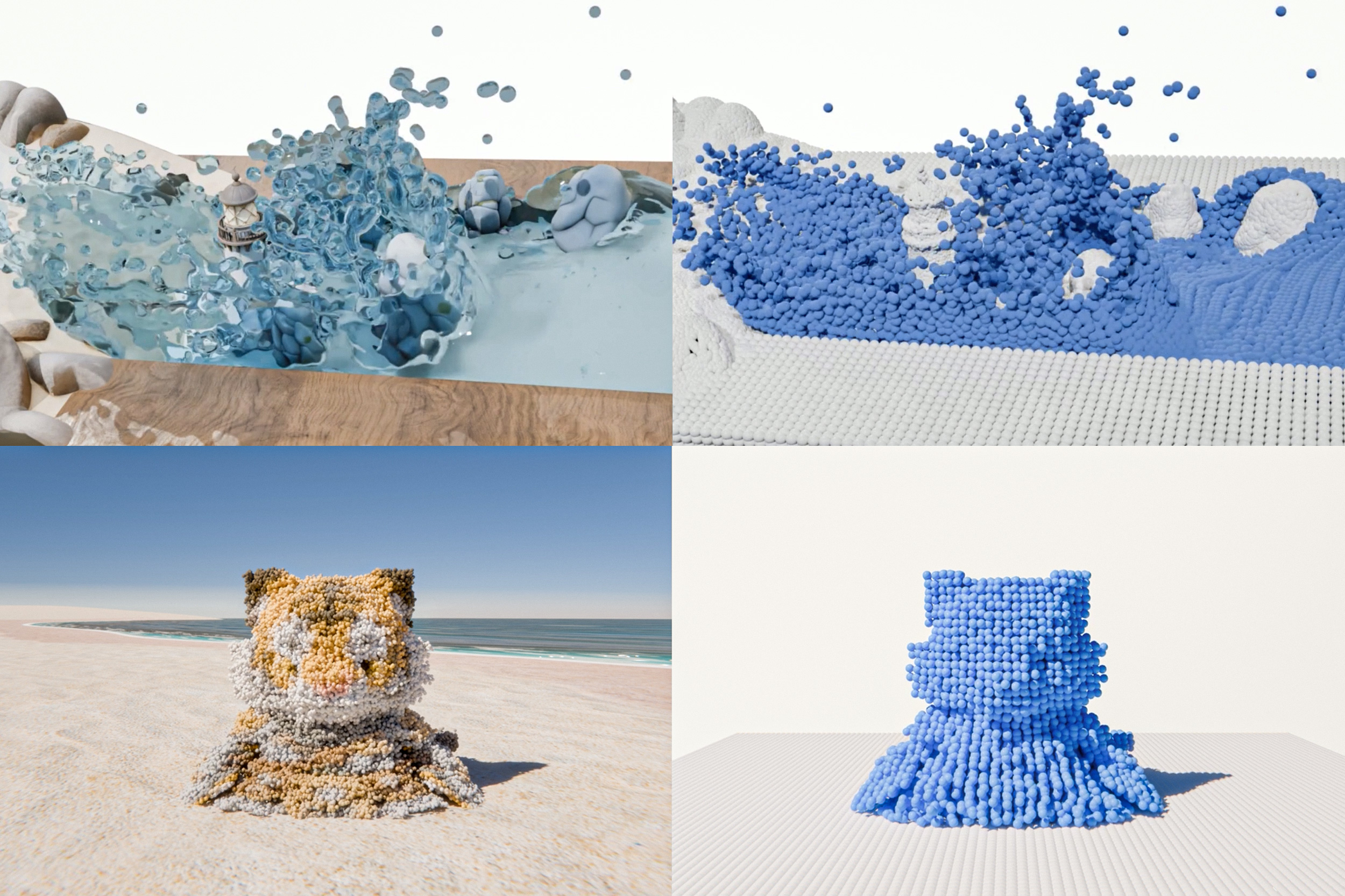
The system represents every material it simulates, from a dune of sand to a protein molecule, as tiny particles and predicts where those particles will move one step at a time. Because it learns the underlying dynamics rather than being programmed with an equation, the model can adapt to materials, forces, and environments it never encountered during training.
In the long term, the researchers hope this work helps scientists discover new materials and explore physical processes they would be unable to effectively study with existing simulation methods.
“We want to have a GPT moment for simulation,” says Peter Yichen Chen, a former MIT postdoc who is now an assistant professor at UBC, and is a co-corresponding author of an open-access paperon this technique. “Every time people want to build a simulator for a particular physical phenomenon, they need to code it up from scratch. Our vision is to have...
Copyright of this story solely belongs to news.mit.edu. To see the full text click HERE