

A new satellite wants to prove nuclear power can work in space without solar panels
Serving tech enthusiasts for over 25 years.
TechSpot means tech analysis and advice you can trust.
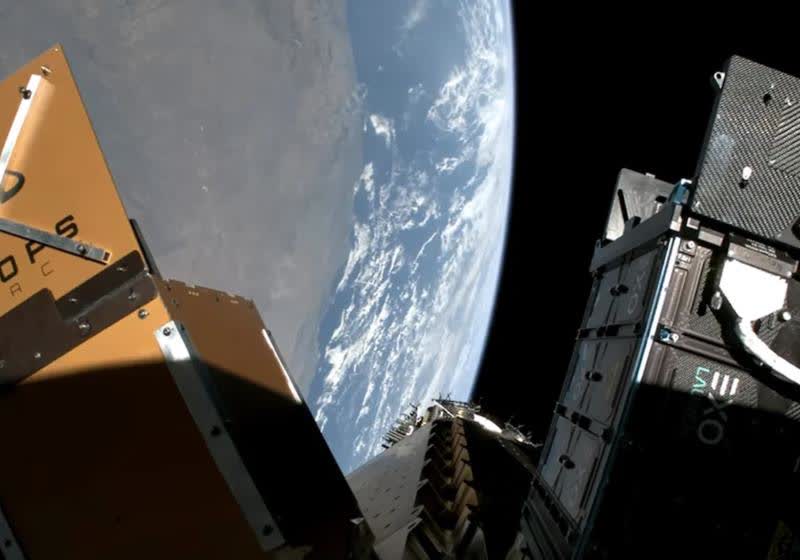
What just happened? A small satellite launched this week is testing a space-based nuclear power system that does not rely entirely on sunlight. The satellite, called BOHR, was developed by Florida-based City Labs and entered orbit on July 7 aboard SpaceX's Transporter-17 rideshare mission from Vandenberg Space Force Base in California. The Falcon 9 rocket carried 81 payloads in total, deploying them roughly 50 minutes after liftoff.
BOHR's primary mission is to test a different kind of power source in orbit. The CubeSat is carrying City Labs' "NanoTritium" system, a betavoltaic power source that converts beta particles from tritium decay directly into electricity using a semiconductor. Unlike traditional nuclear power systems, which first convert radioactive heat into electricity, this design generates power directly from the decay particles.
"This is a historic step for...
Copyright of this story solely belongs to techspot.com. To see the full text click HERE