

A better way to turn 2D designs into 3D models for rapid prototyping
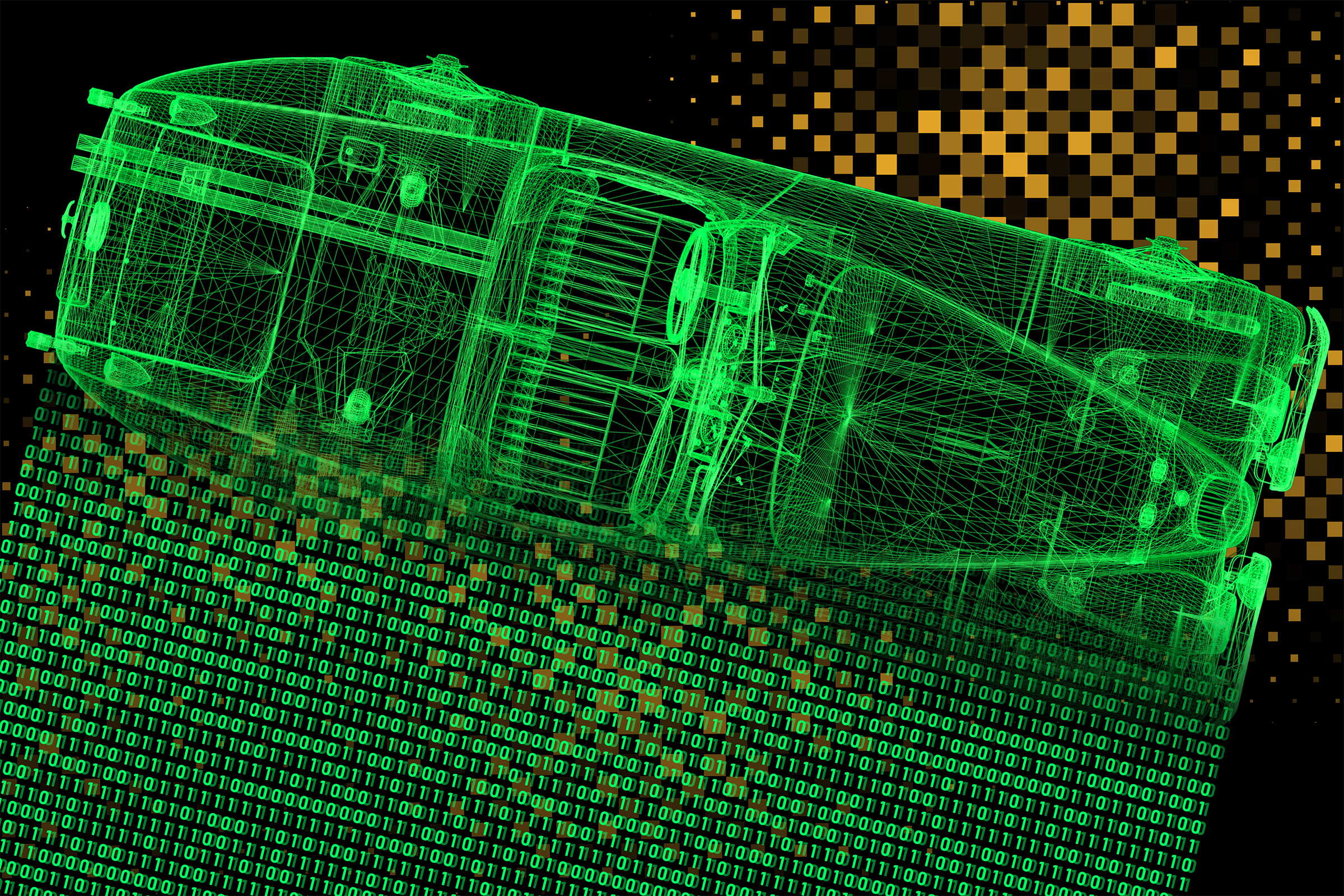
Engineers often use vision-language models to produce new designs, such as for airplane or automobile components. To simulate how those components will perform in realistic situations, they’ll use tried-and-true computer-aided design (CAD) software to generate 3D models of those designs, which they can put through virtual crash or durability tests.
Researchers from MIT and elsewhere have now developed a system that can teach a vision-language model to automatically convert 2D designs into CAD programs that are much more accurate and functional compared to other approaches, while using only a fraction of the computation.
By improving the performance and efficiency of AI-driven CAD generation, this technique could streamline the rapid prototyping process and reduce costs. It could also help engineers identify beneficial design choices they might otherwise overlook.
The system generates new data based on the model’s abilities as it attempts to convert a 2D image into a CAD program. The...
Copyright of this story solely belongs to mit.edu. To see the full text click HERE